

Technology
Ideas changing the world.
 Technology
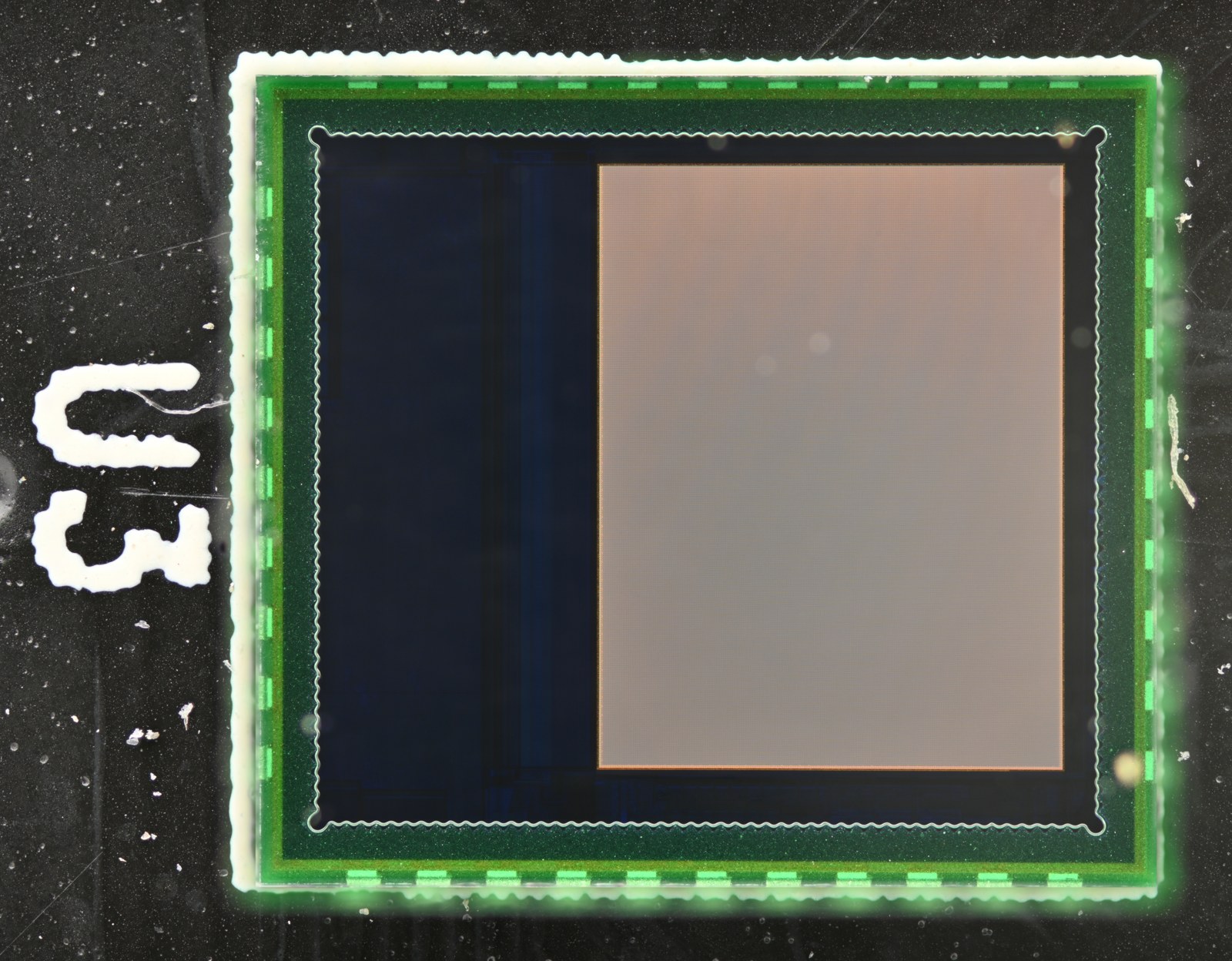
Space technology in your pocket: the story of CMOS sensors
When you photograph your friends or switch on your phone camera, you use technology whose development received an important boost from space research. Scientists needed a small camera that used little power while recording light reliably. Solutions developed for that task helped make digital vision available to almost everyone.
 Technology
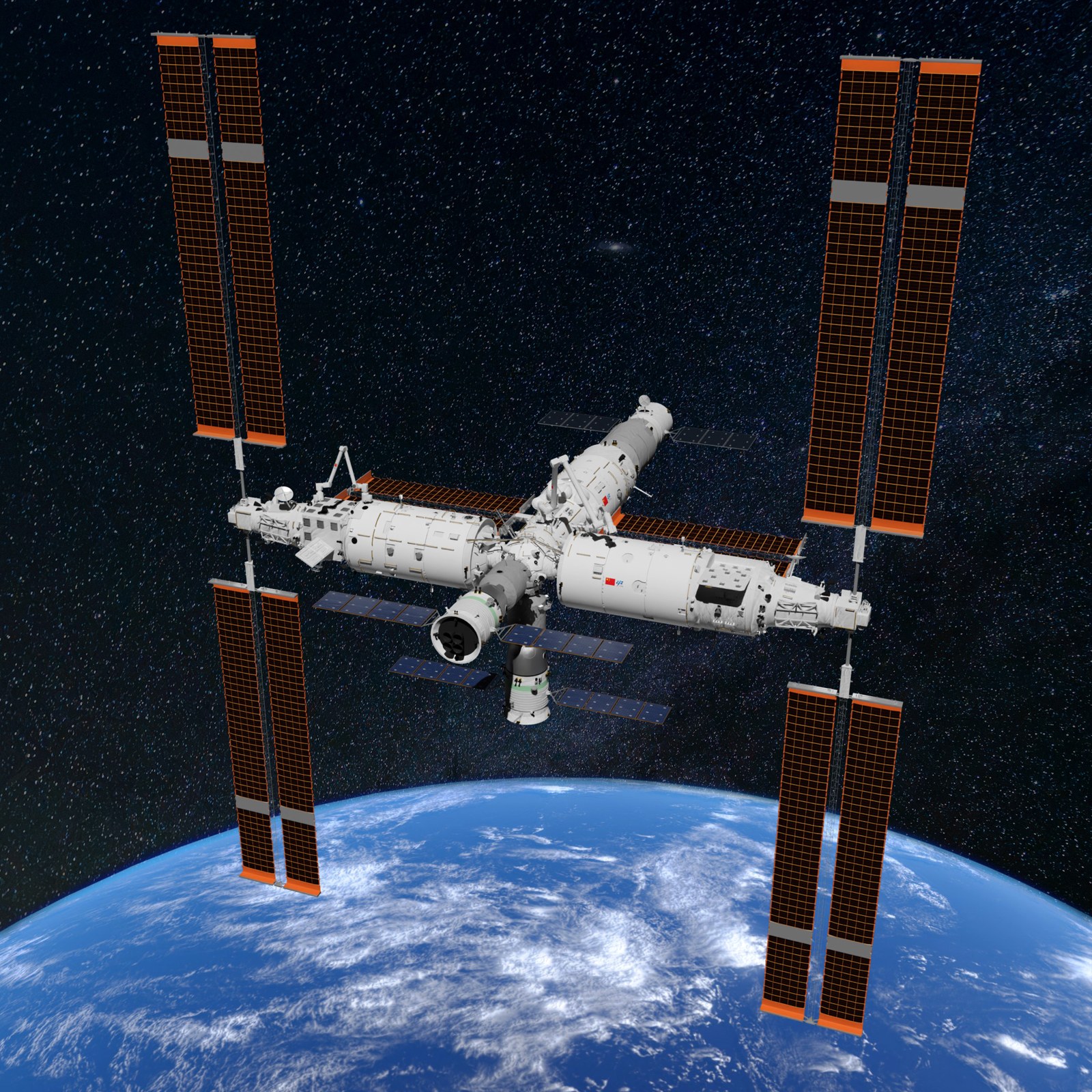
Almost absolute zero: how scientists set an atomic cooling record in space
A cloud of about 20,000 rubidium atoms aboard China’s space station expanded so slowly that its motion corresponded to a temperature of just 9.7 picokelvins. Behind this almost unimaginable number lies much more than a temperature record: a new opportunity to observe matter under conditions that bring its quantum behaviour to the foreground.
 Technology
How NASA catches solar flares: five minutes for the FOXSI-5 rocket
A solar flare will not wait for a research rocket. The FOXSI-5 team therefore linked continuous satellite observations to an alert that helps decide when to launch within minutes. In May 2026, the rocket observed three small flares above Alaska. How can a team choose the right moment, what does its instrument see, and why is this different from predicting solar storms?
 Technology
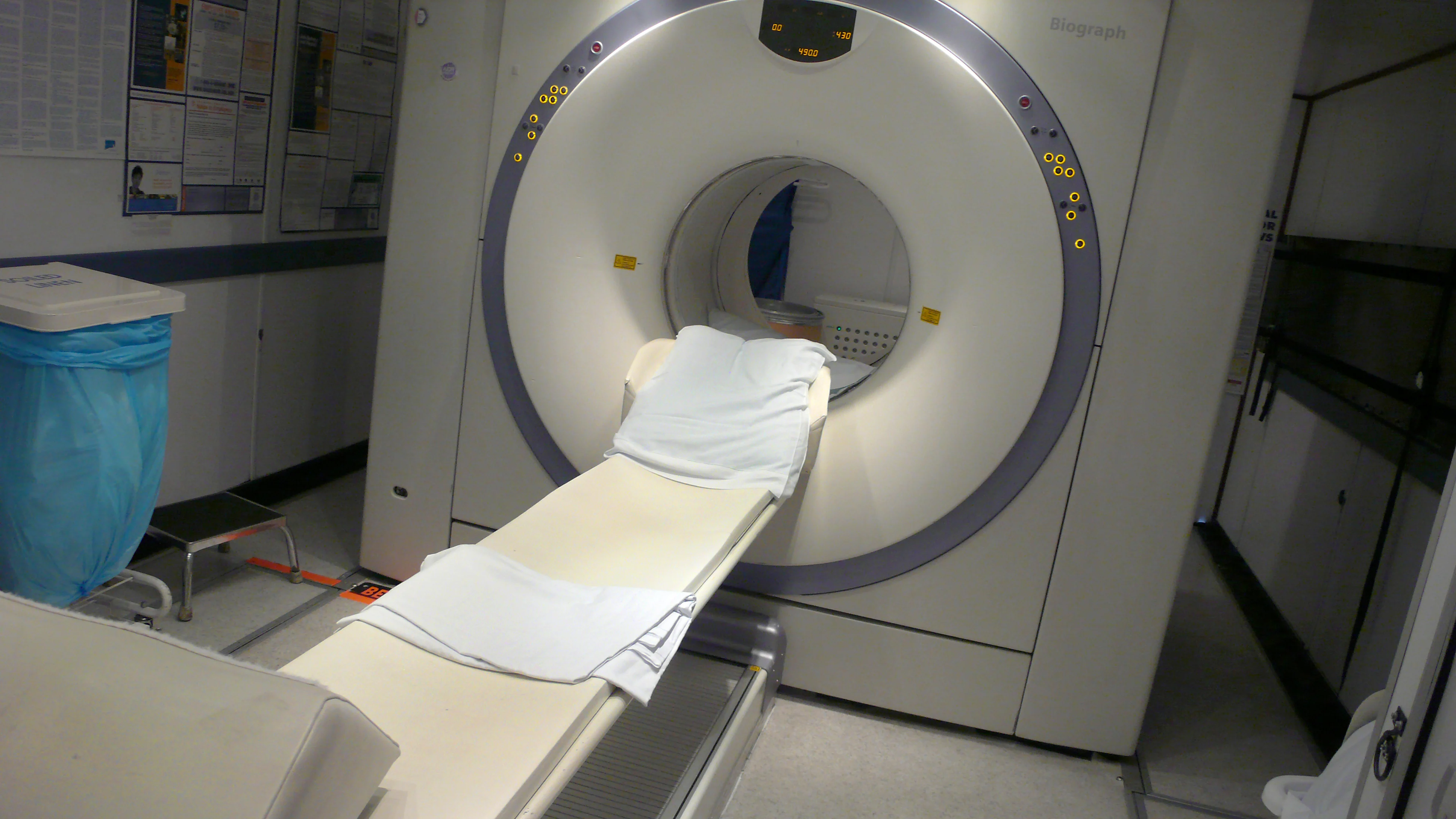
How PET scanners work: from positrons to images of tumours, hearts and brains
PET reveals more than the shape of an organ: it shows where a carefully selected labelled substance has accumulated. Paired with CT, it connects the chemistry of tissue to anatomy. The path from one radioactive atom to a medical image brings together nuclear physics, cell biology and the computer processing of millions of signals.
 Technology
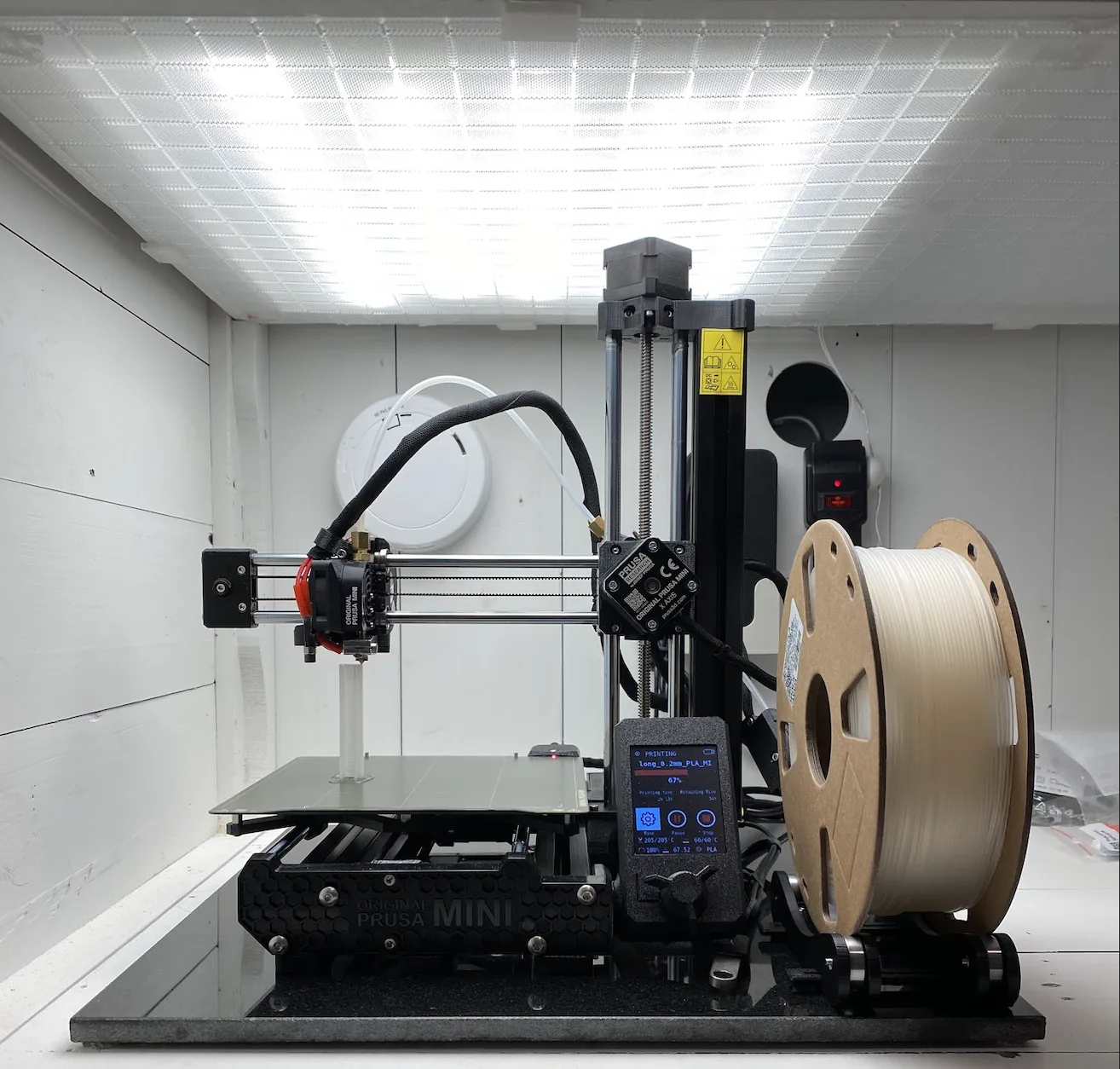
How a 3D printer works: from a digital model to an object in your hand
We draw an object on a screen and, a few hours later, lift it off a build plate. Between those moments lies a series of decisions: how to turn the model into layers, which material to use, and how to stop the finished part from warping or falling apart.
 Technology
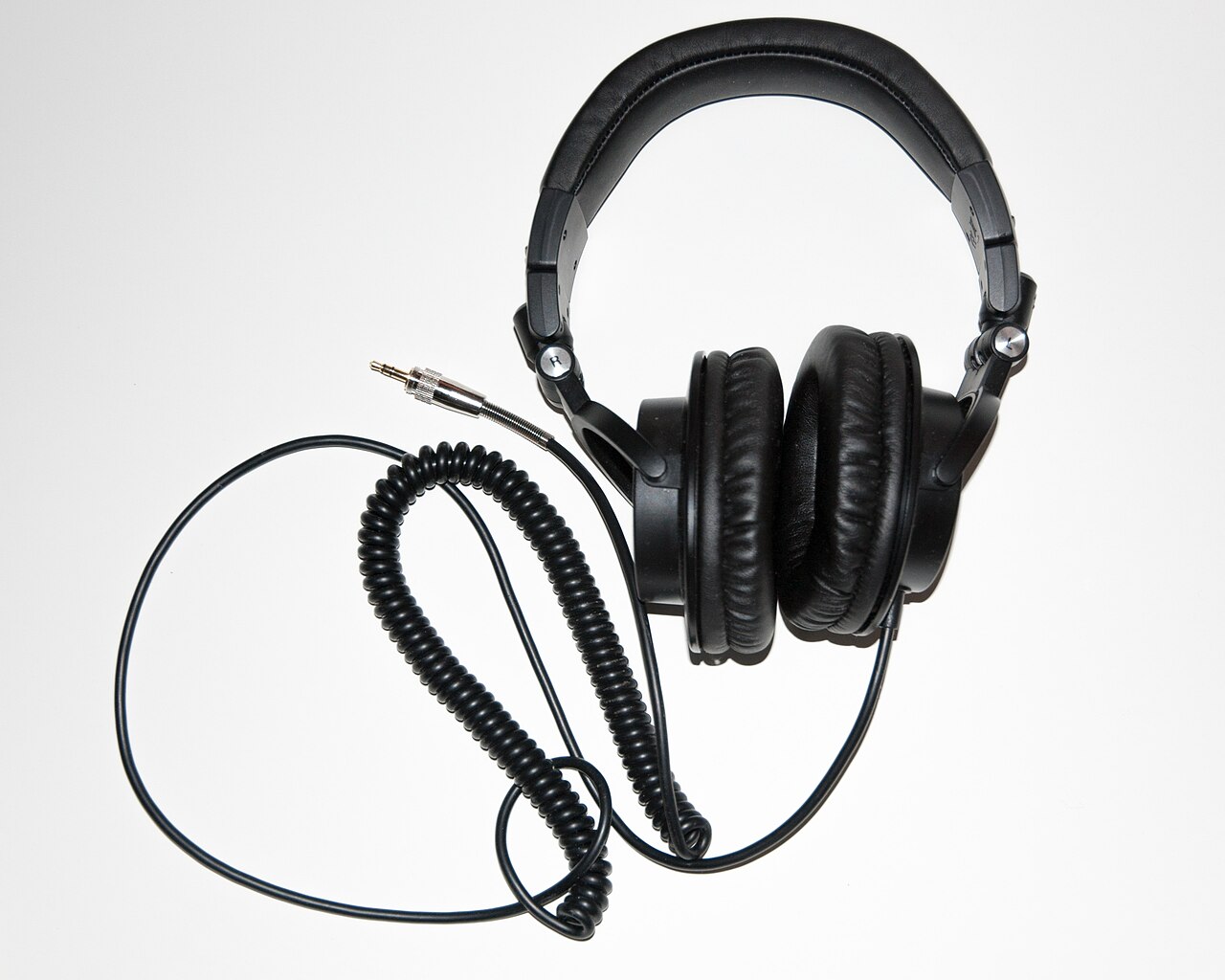
Headphones that pick one voice out of a noisy room
In a café, voices overlap with clattering dishes and music. Someone across the table starts speaking, but you catch only a few words. Our brains can often focus on a familiar voice, yet this is difficult in a crowded room. Researchers at the University of Washington presented a headphone prototype in 2024 that lets a user choose a speaker: turn towards that person, press a button, and hear their speech more clearly even as both people move.
 Technology
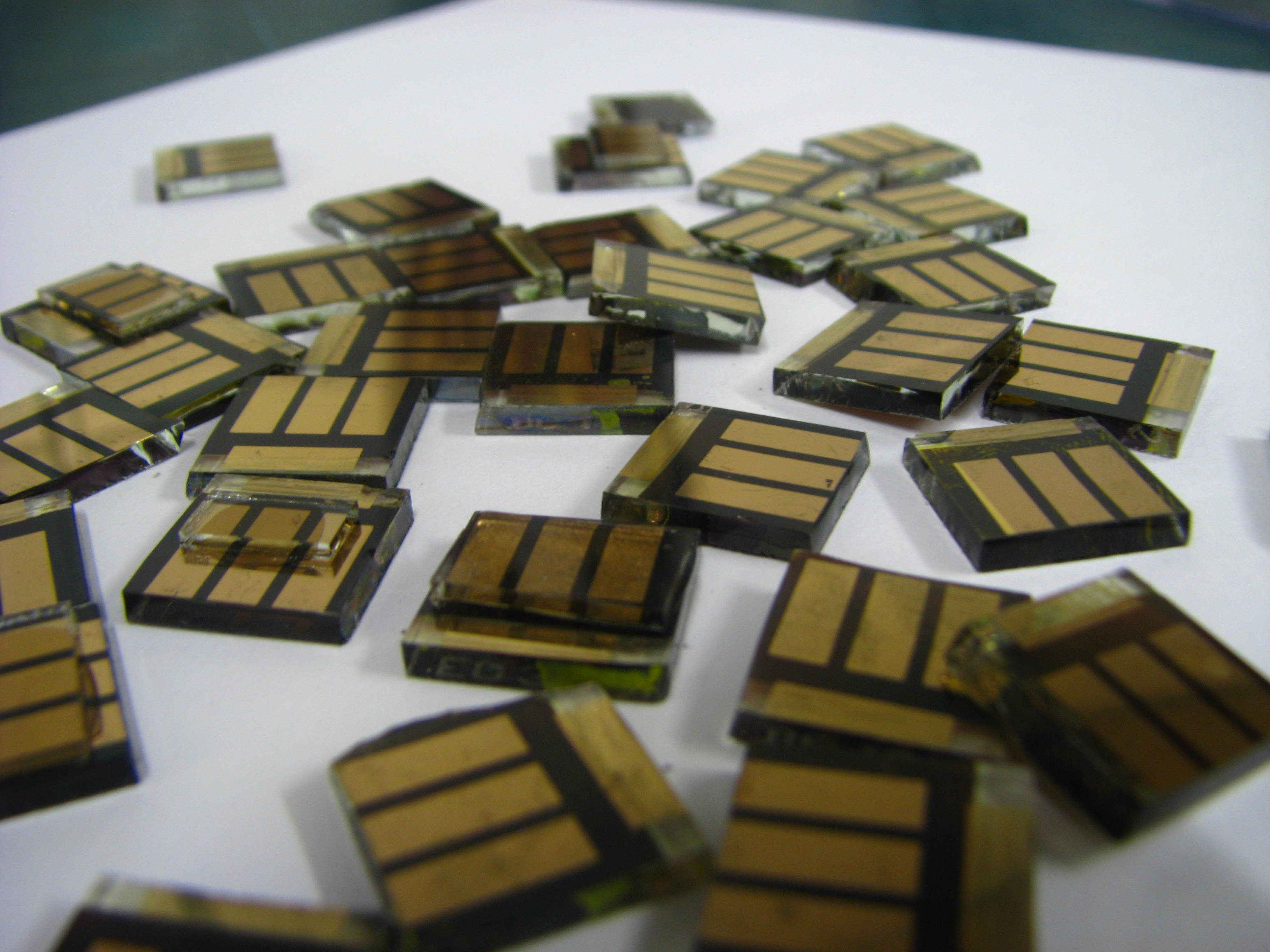
A molecular “raincoat” protects a lead-free solar cell
A protective arrangement within tin perovskite helped a laboratory cell reach 16.2% efficiency while resisting degradation.
 Technology
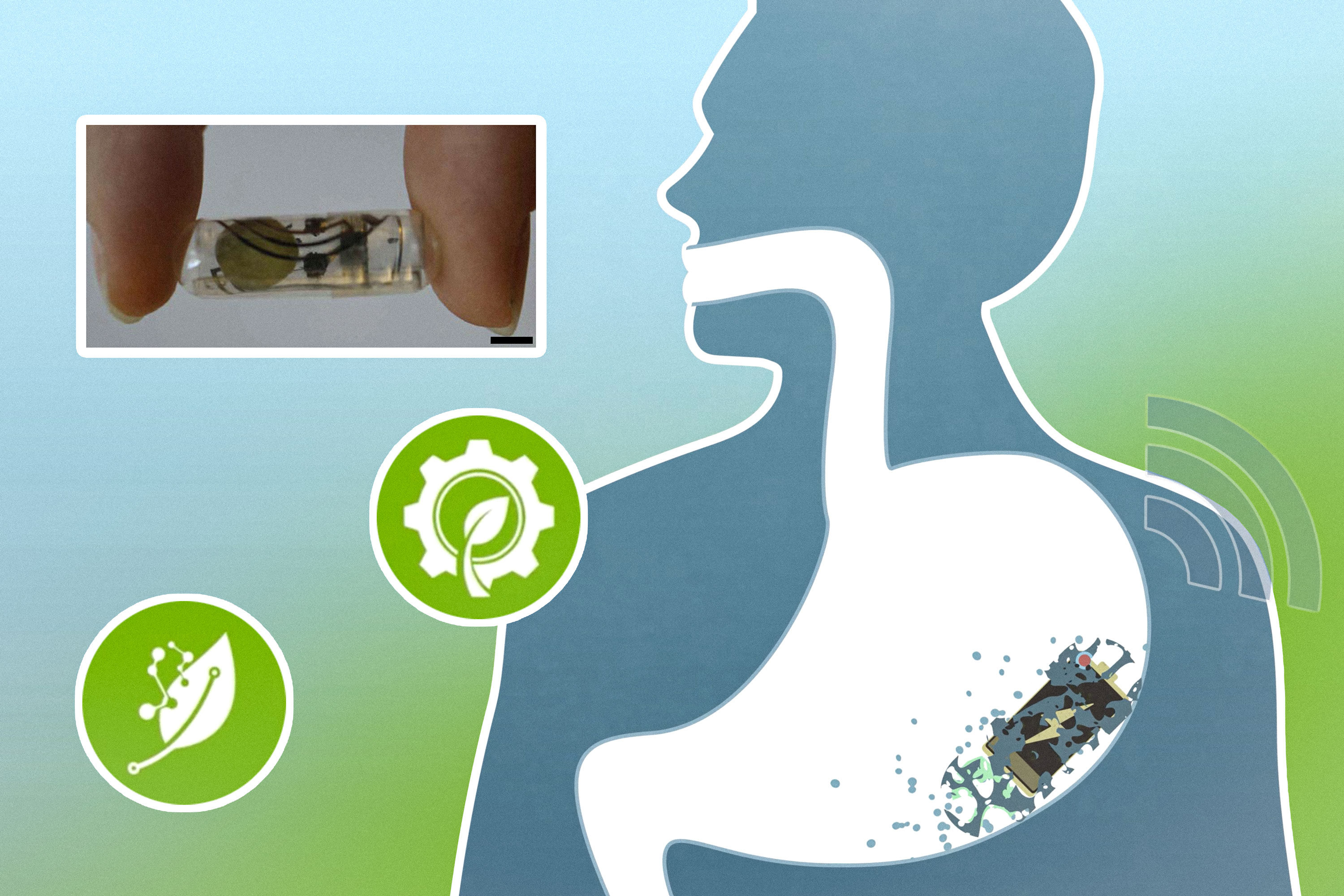
A dissolving battery could power future medical capsules
An MIT prototype powered two kinds of ingestible electronics in experiments and then gradually broke down.
 Technology
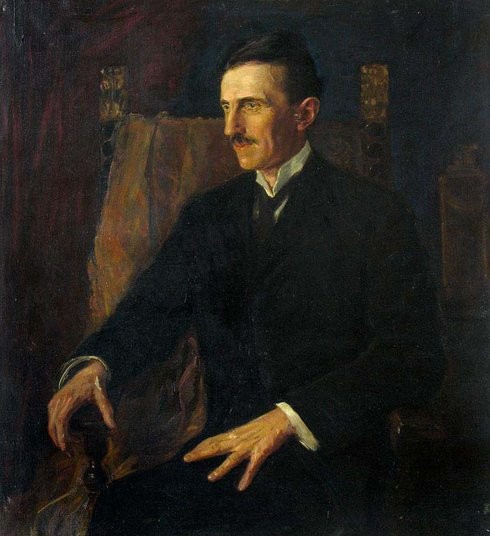
Nikola Tesla: the motor that changed the electrical world
From Smiljan to rotating magnetic fields, AC patents and the boundary between working inventions and grand plans.
 Technology
NASA and IBM release an AI model for Moon science
The open model learned from roughly two million lunar image patches. It may help researchers find interesting terrain faster, but people must verify its suggestions.
 Technology
How much can we trust AI?
AI tools can be useful, but a convincing answer is not necessarily a correct one.